On the shores of Palinuro,
a 4-star village,
filled with a thousand experiences to enjoy!
What to See and Do Nearby
Discover the area and let yourself be captivated by the beauty of Cilento
Just beyond the village, a world of discovery awaits: trails, villages, landscapes and traditions that reveal the authentic soul of Cilento — all to be explored freely, at your own pace.
La Molpa Hill
A few steps from the village, a trail climbs up La Molpa Hill — a medium-difficulty trek of about 20 minutes. At the top, the ruins of an ancient castle and the moving legend of Lady Isabella, who threw herself from here in search of lost love, merge with breathtaking views of the sea and valleys. This enchanting site has roots dating back to the Neolithic era, later shaped by Roman and Greek influences that have left their mark over time.
Palinuro Lighthouse and the Pilgrim’s Trail
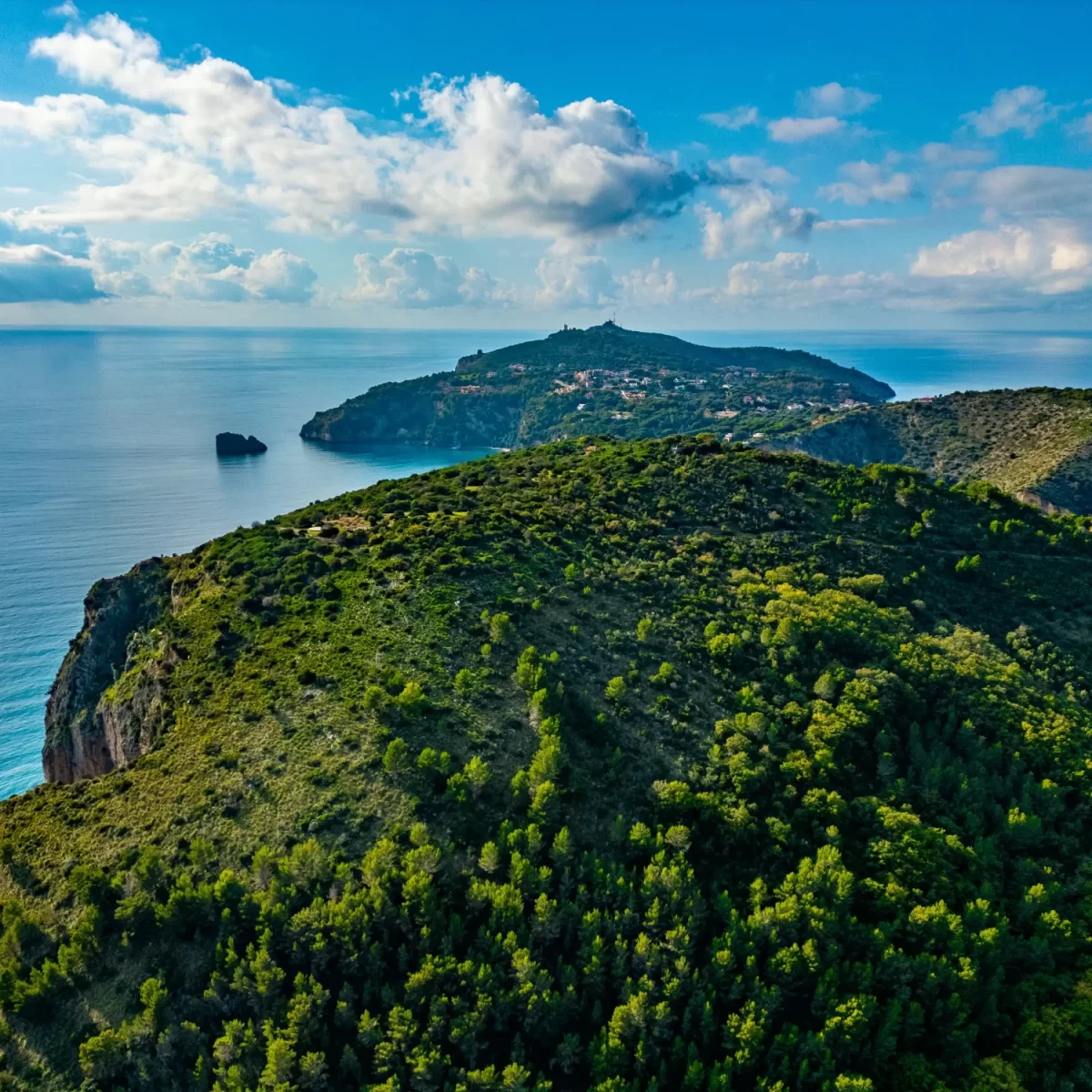
A lighthouse perched 100 metres above the sea, a pine forest descending towards the harbour, and the Pilgrim’s Trail offering spectacular views as far as the Aeolian Islands. With a bit of luck, you might even spot a peregrine falcon soaring overhead — every step here is pure adventure.
Sant’Iconio Trail
Amid Aleppo pines and wild nature, the path leads to a fascinating 9th-century monastic site. The small church of Sant’Iconio offers panoramic views reaching all the way to Calabria — a challenging walk, but one that rewards you richly.
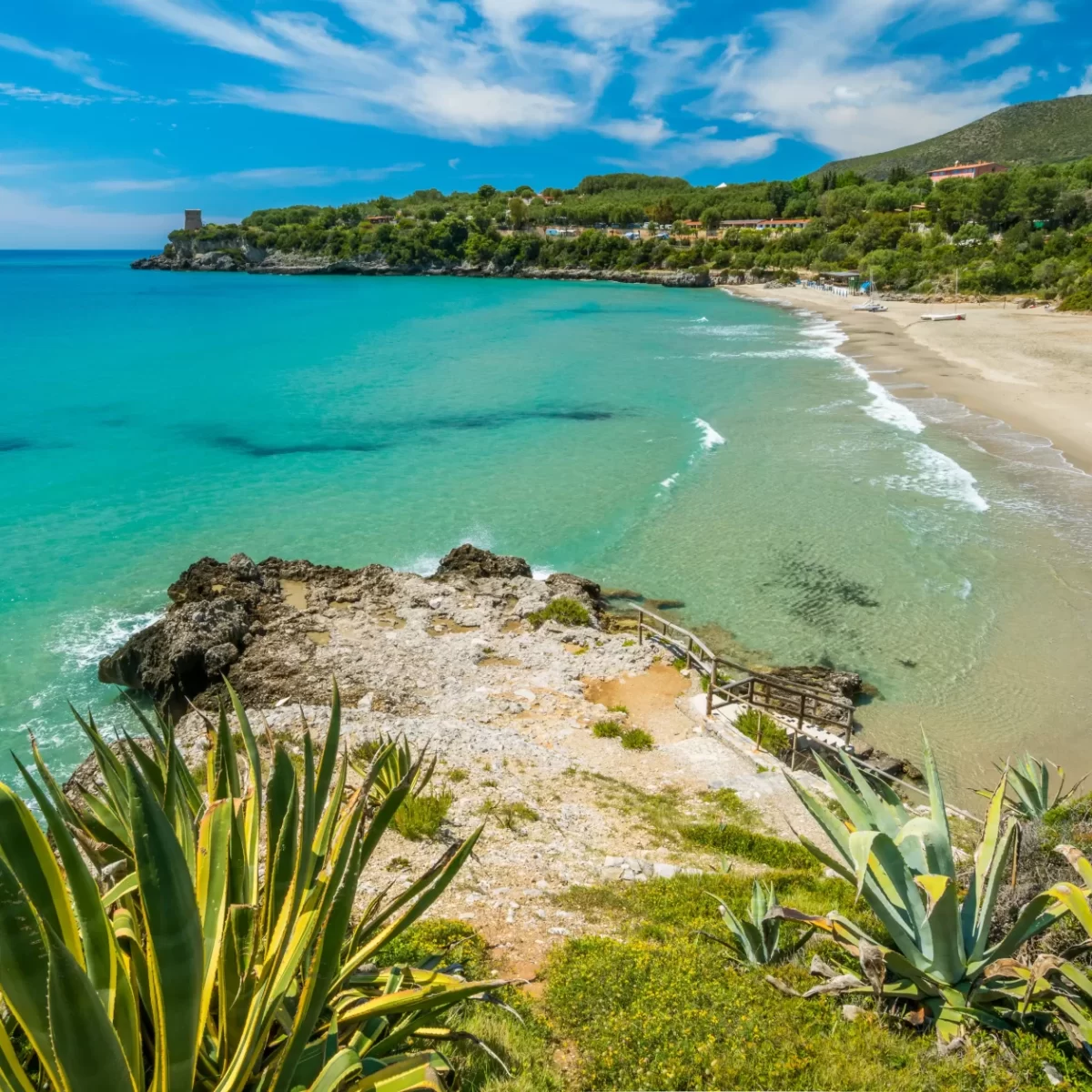
The Most Beautiful Beaches
Arco Naturale Beach – a UNESCO heritage symbol of Cilento
Marinella Beach – part serviced, part free, loved by climbers
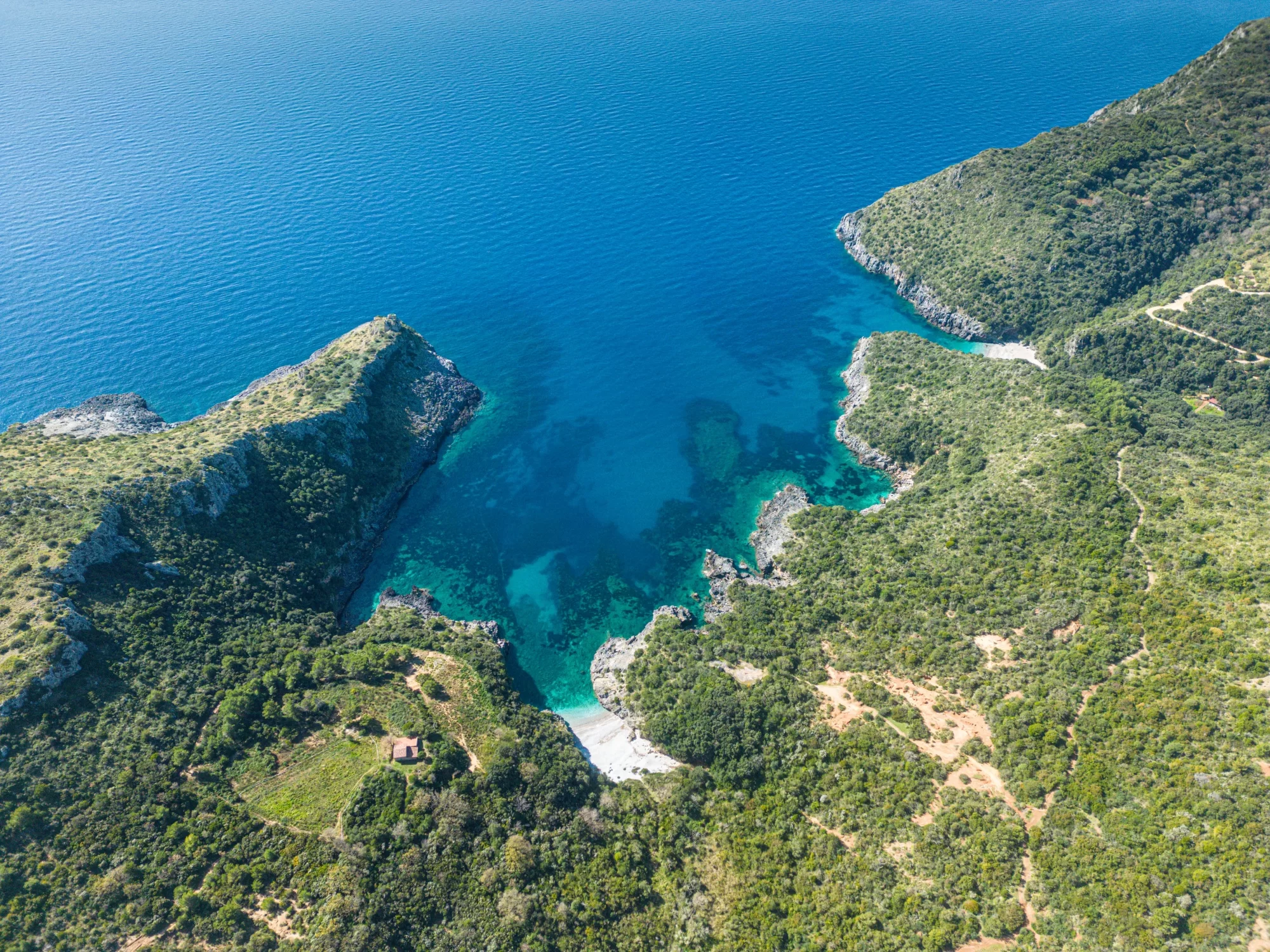
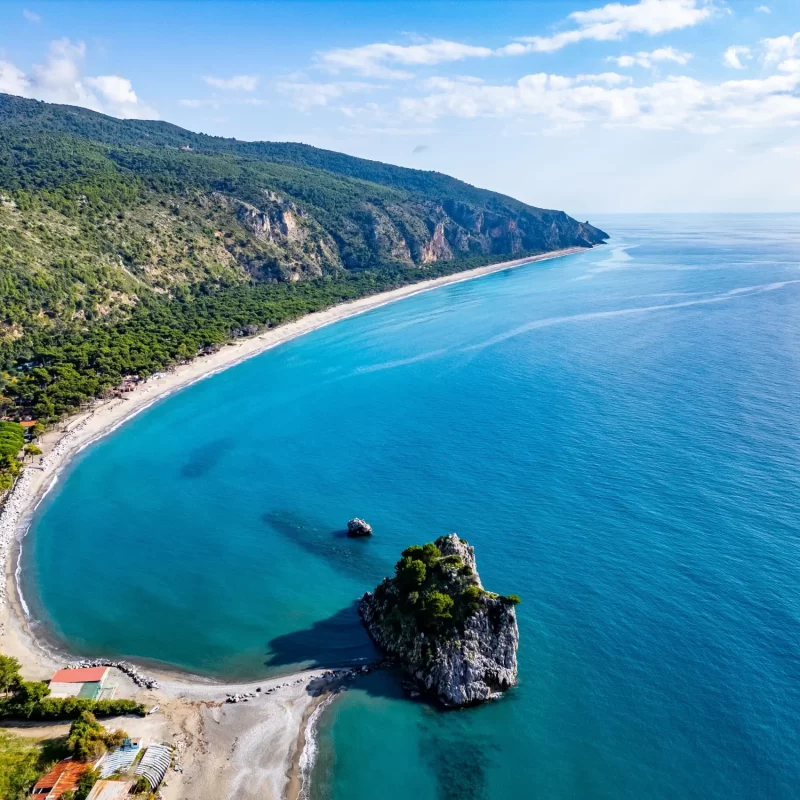
Buon Dormire Beach & Rabbit Rock – white sand, turquoise water, accessible only by sea
Spiaggia delle Ossa – unique rock formations resembling giant ancient bones, accessible only by sea
Port Beach – convenient and surprisingly clear waters
Saline Beach – a long sandy stretch, ideal for families
Mingardo Beach – vast, pine-fringed and deep-watered
Cala Bianca, Pozzallo, Baia degli Infreschi – among Italy’s most beautiful bays, reachable by boat or trekking
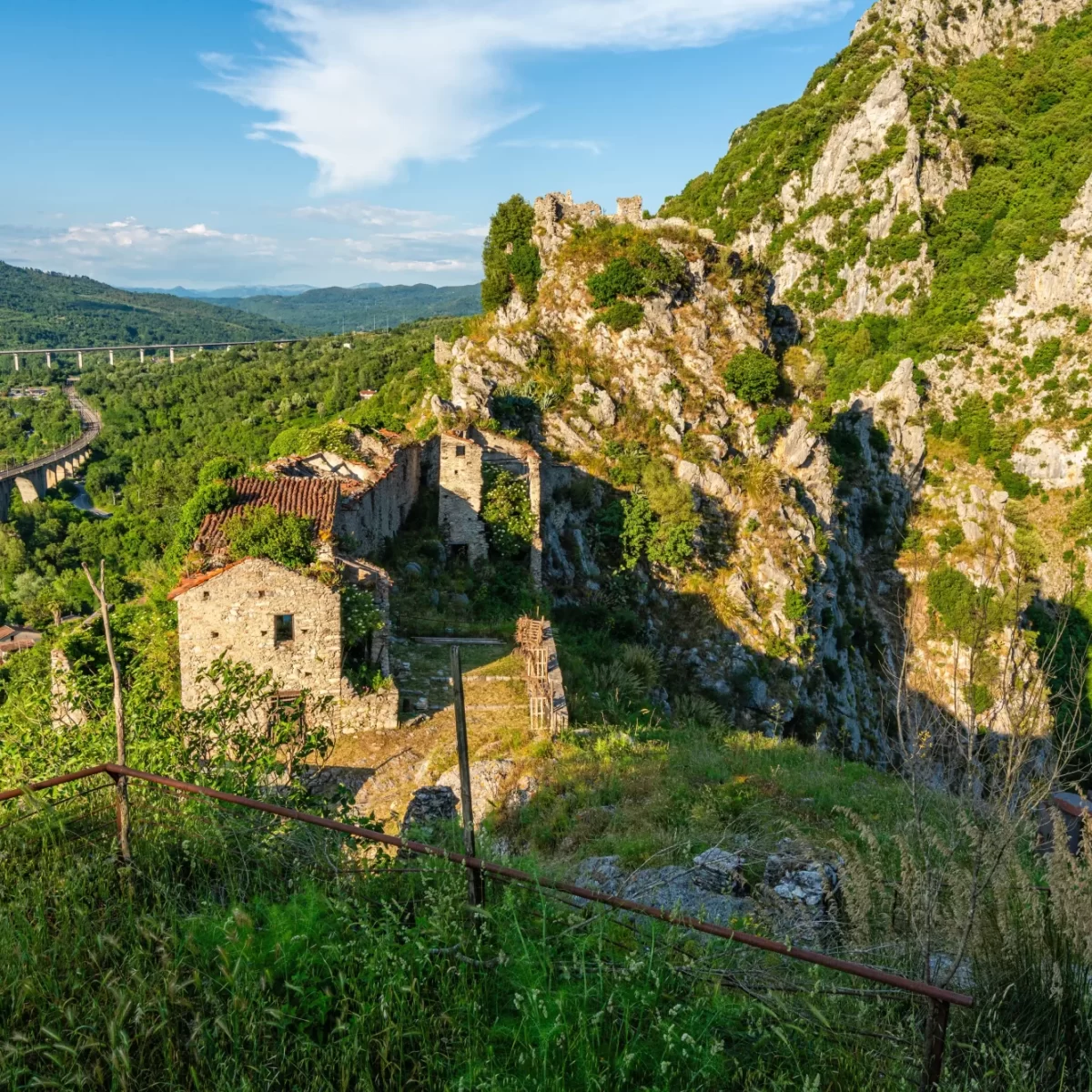
Medieval Village of San Severino
An ancient hilltop village, now uninhabited (hence called the “ghost village”), yet full of charm. Getting there is already an adventure: you’ll pass through the Devil’s Gorge, carved by the Mingardo River, where you can stop at the Oasi Pianora picnic area surrounded by rivers, nature and historic bridges. By day it offers breathtaking views; by night, it lights up in evocative colours, transforming into a truly magical place.
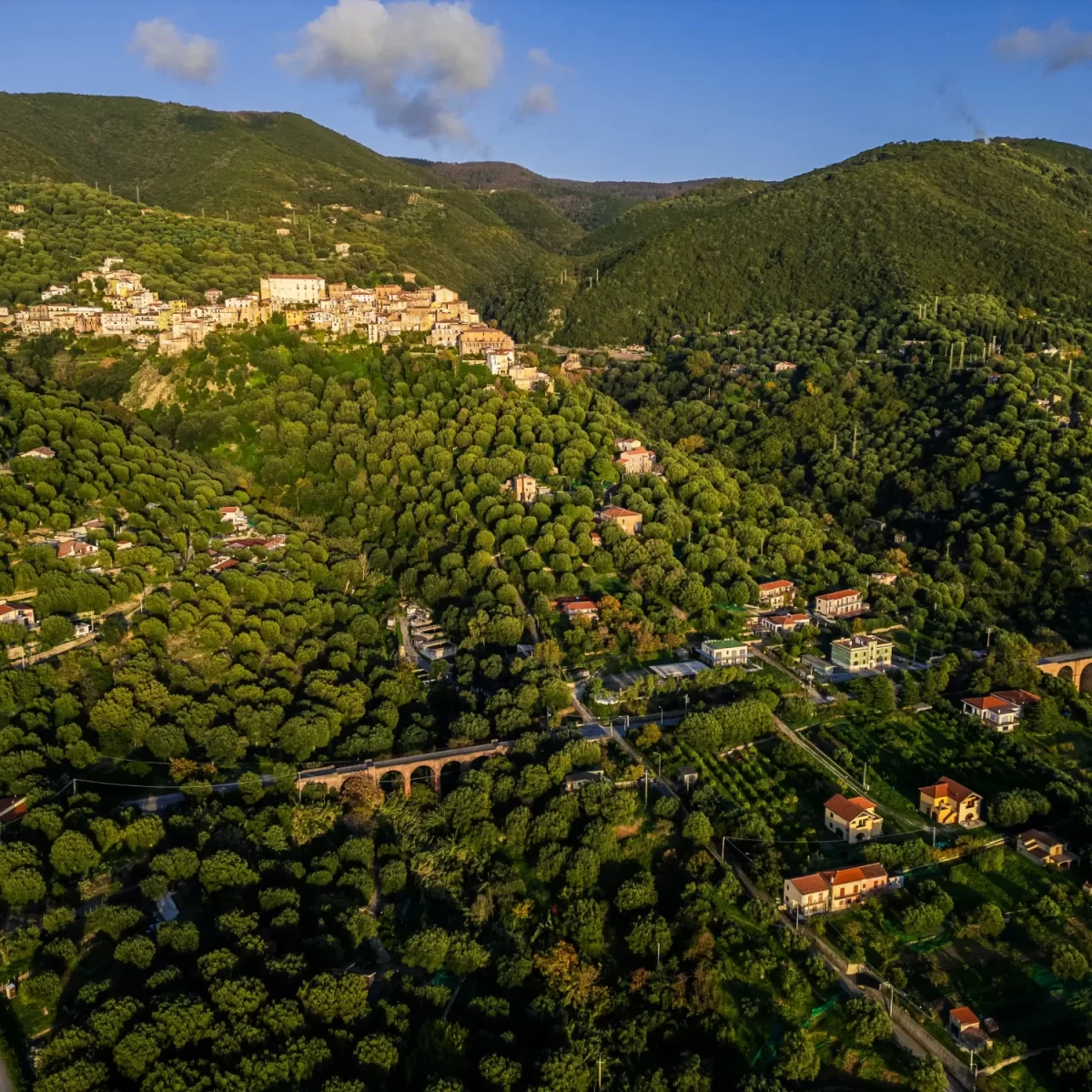
Medieval Village of Pisciotta
Narrow alleys, stairways and historic palaces make Pisciotta a picturesque gem overlooking the sea, with views of Capo Palinuro and Marina di Pisciotta. All around, centuries-old olive trees — unique in the world — produce an extraordinary Slow Food–certified extra virgin olive oil. Here, the traditional olive ammaccate and ancient stone-cracking method still survive, keeping centuries-old traditions alive.
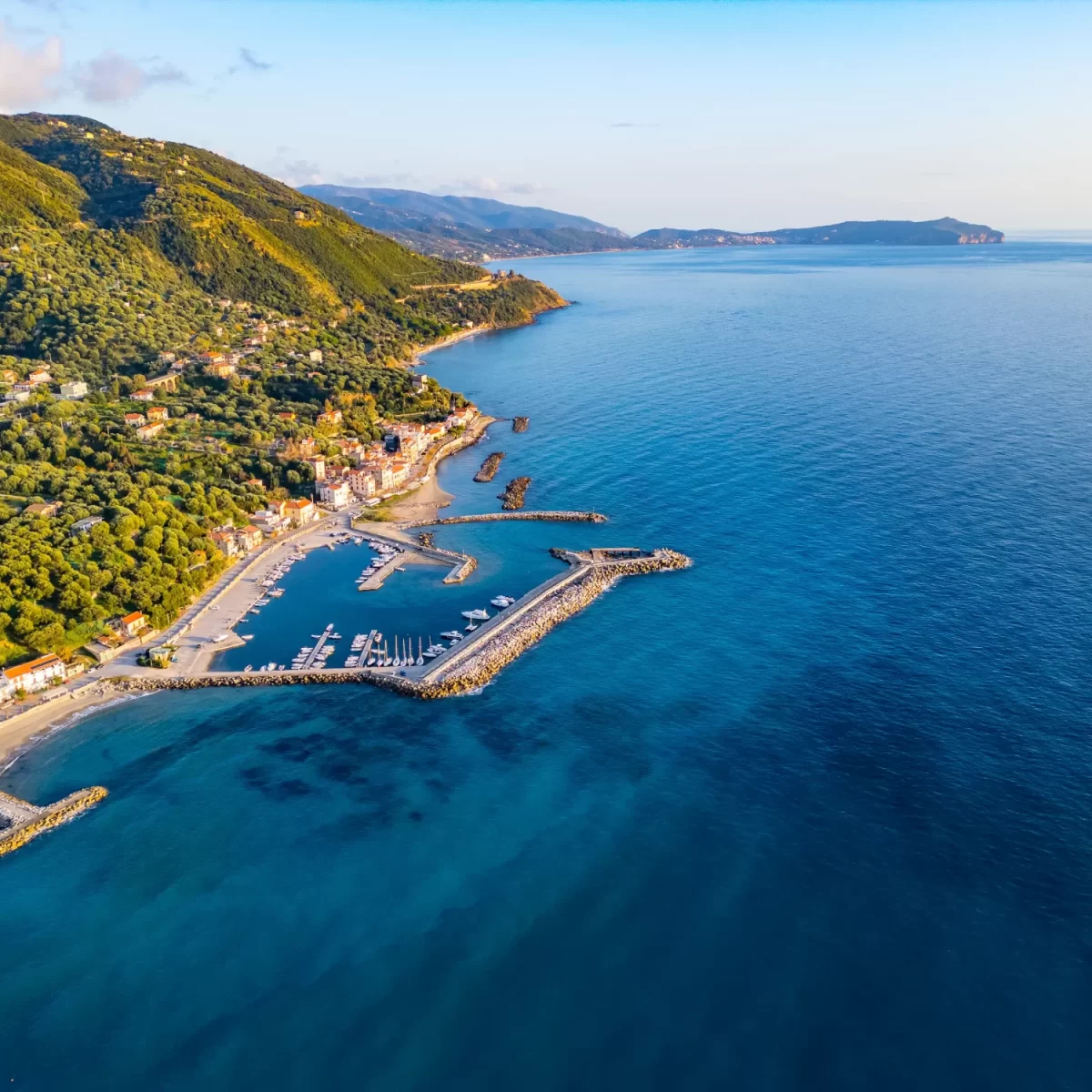
Marina di Pisciotta
A simple, authentic fishing village where life flows peacefully by the sea. Just a few houses, one main street, and the water right in front of you. Enjoy a stroll by the harbour and taste the famous Alici di Menaica, anchovies caught using traditional nets — a rare gastronomic treasure served in a handful of excellent local restaurants.
Marina di Camerota
Lively and colourful, Camerota blends Mediterranean charm with Venezuelan influences brought by its historic community. From here, you can set out on boat trips to spectacular bays, and don’t miss trying the maracucciata, a Slow Food–protected traditional dish that’s an absolute must.
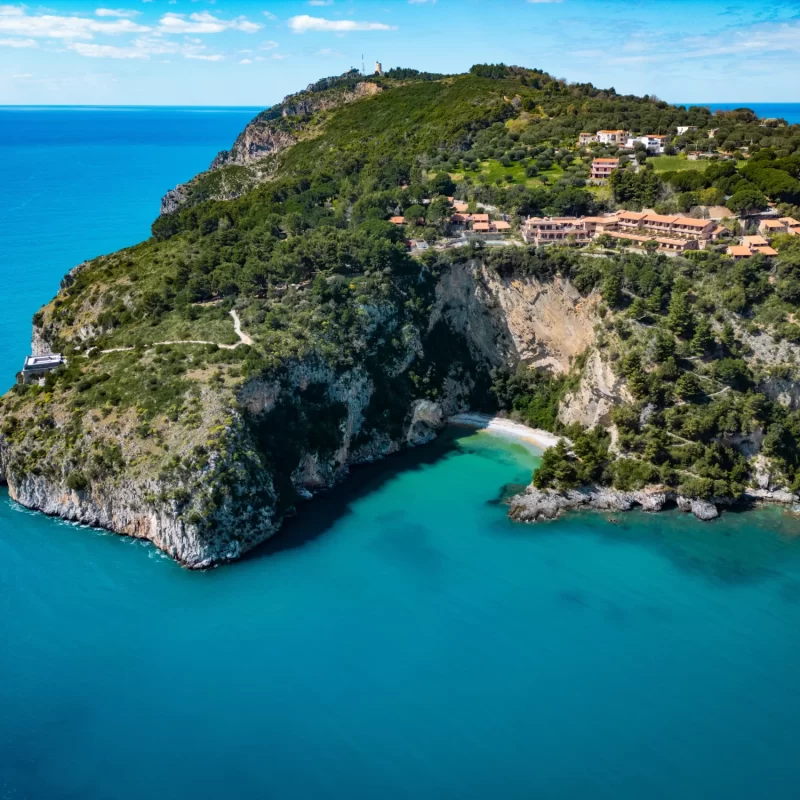
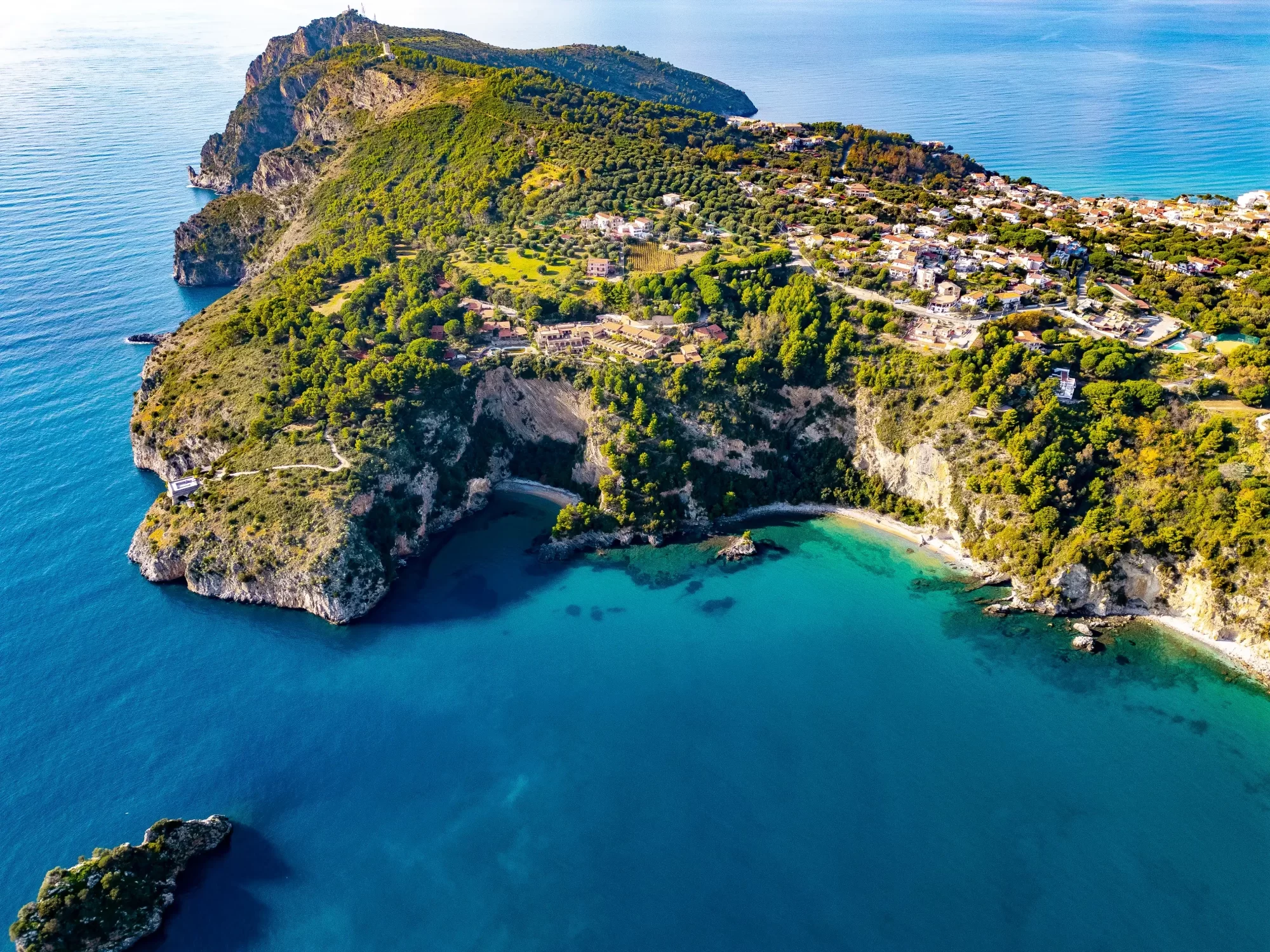
Capo Palinuro and the Sea Caves
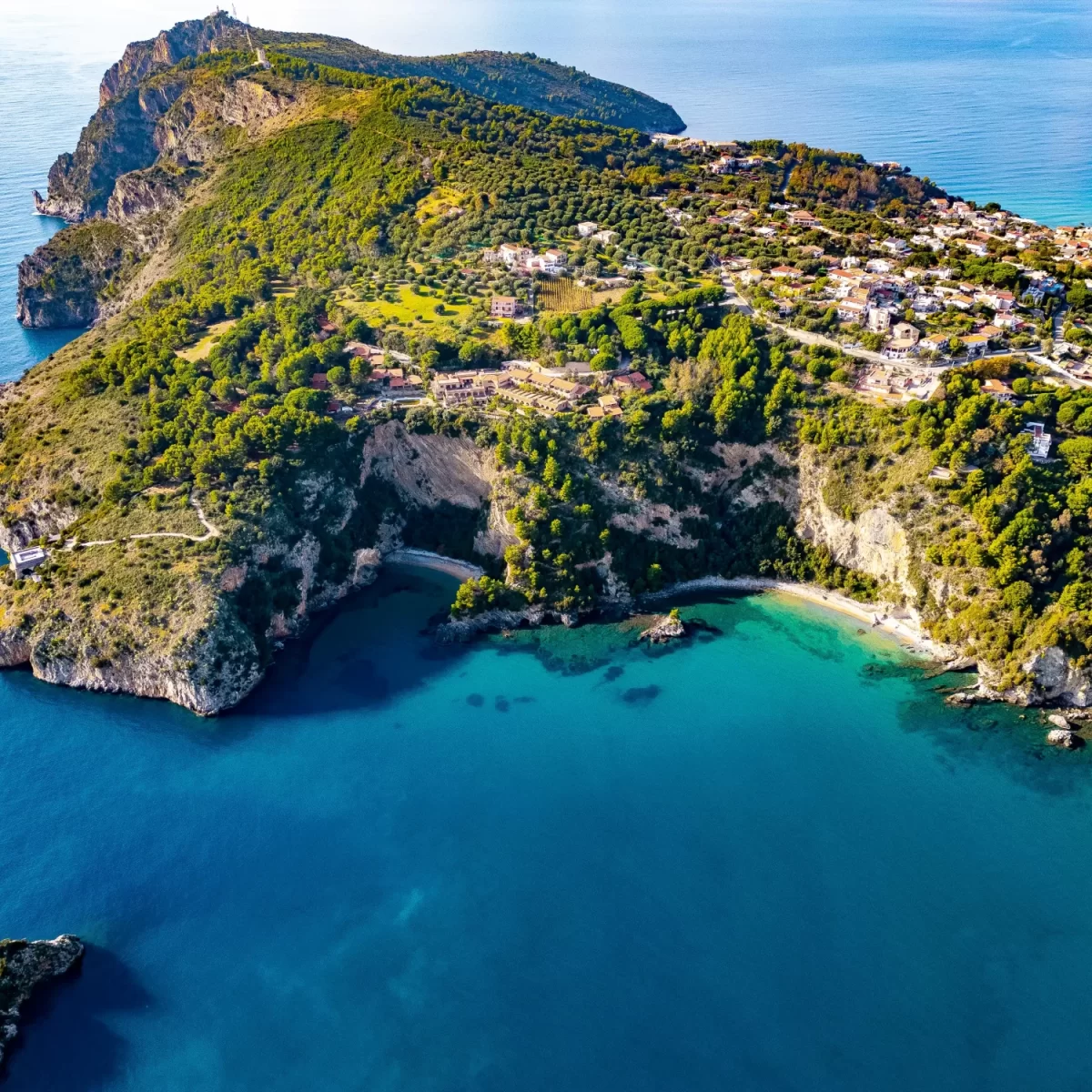
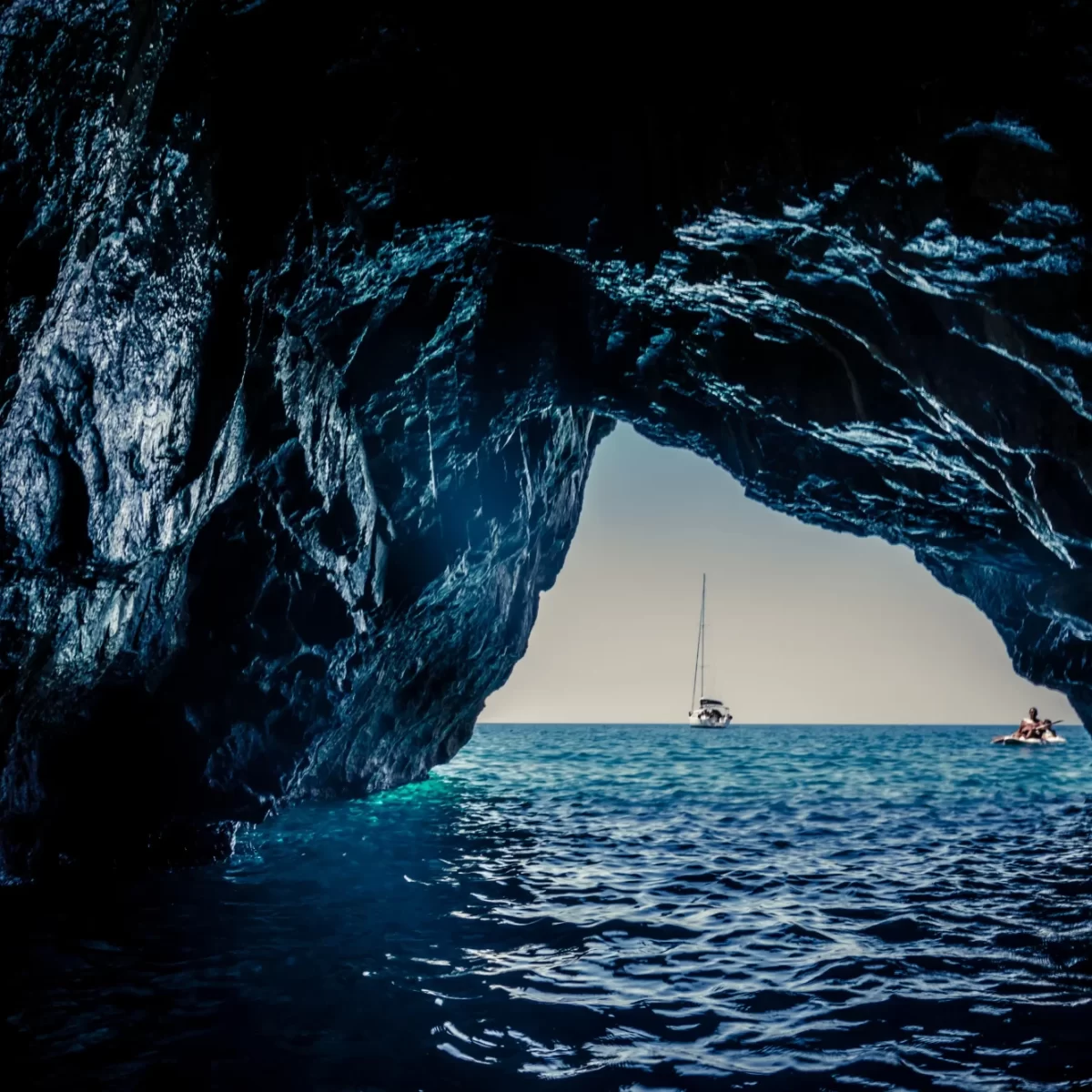
This headland is a treasure chest of natural wonders. With the boat tours offered by local cooperatives, you can explore world-famous sea caves: the Grotta Azzurra with its turquoise reflections, the Grotta del Sangue with its striking red walls, and the Grotta dei Monaci with its spectacular stalactites. Don’t miss the Architiello, a natural arch framing the old watchtower — the perfect photo for your holiday album.
Would you like to plan your visit and keep all this information handy?